Selling homes to overseas buyers: make distance less of a barrier
An overseas buyer needs to understand your development before booking a flight. Clear browser-based apartment tours help answer questions remotely and make an eventual visit more focused.
Brickless Team5 min readTürkçe oku
Selling homes to overseas buyers means helping someone understand a development from thousands of kilometres away. These buyers can be valuable customers: some pay in cash or with a substantial deposit, and some consider more than one apartment. But distance makes every unanswered question more costly.
What do the figures show?
According to Türkiye’s statistical institute, TÜİK, foreign nationals bought 21,534 homes in Türkiye in 2025, down 9.4% on the previous year and representing 1.3% of all transactions. İstanbul led with 7,989 sales, followed by Antalya with 7,118 and Mersin with 1,800. Russian, Iranian and Ukrainian citizens were the largest buyer groups, purchasing 3,649, 1,878 and 1,541 homes respectively.
In the first nine months of 2026, sales to foreign nationals fell 4.3% to 15,308. September alone saw a 9.9% year-on-year increase to 2,167. This is a relatively small, uneven market with plenty of developments competing for the same buyers. For a developer in İstanbul or Antalya, the question is practical: why should someone shortlist this project?
What does a remote buyer need to know?
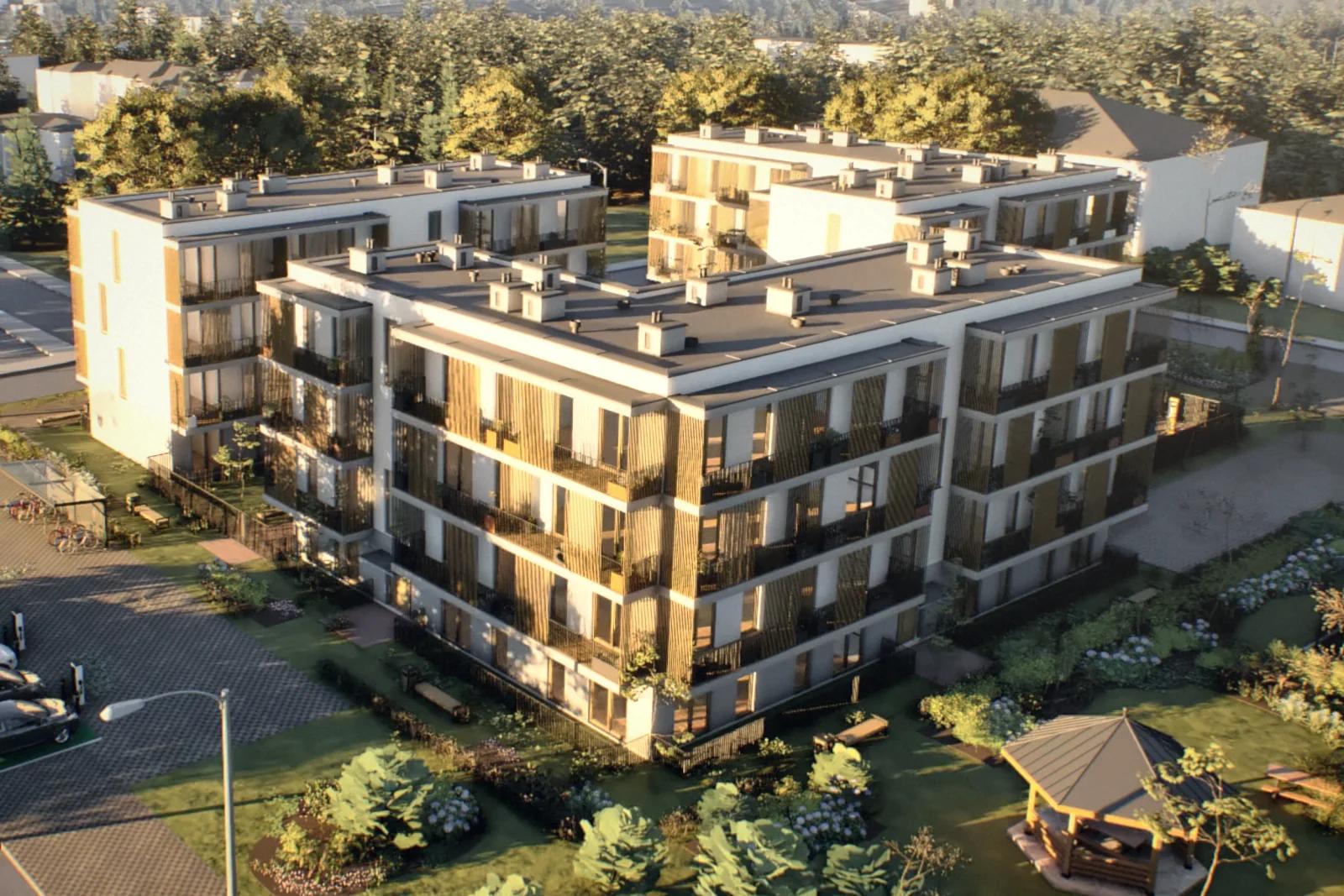
First, whether the images are credible. A buyer may not know your company or local construction practices. Generic visuals that look borrowed from a catalogue create more doubt than reassurance.
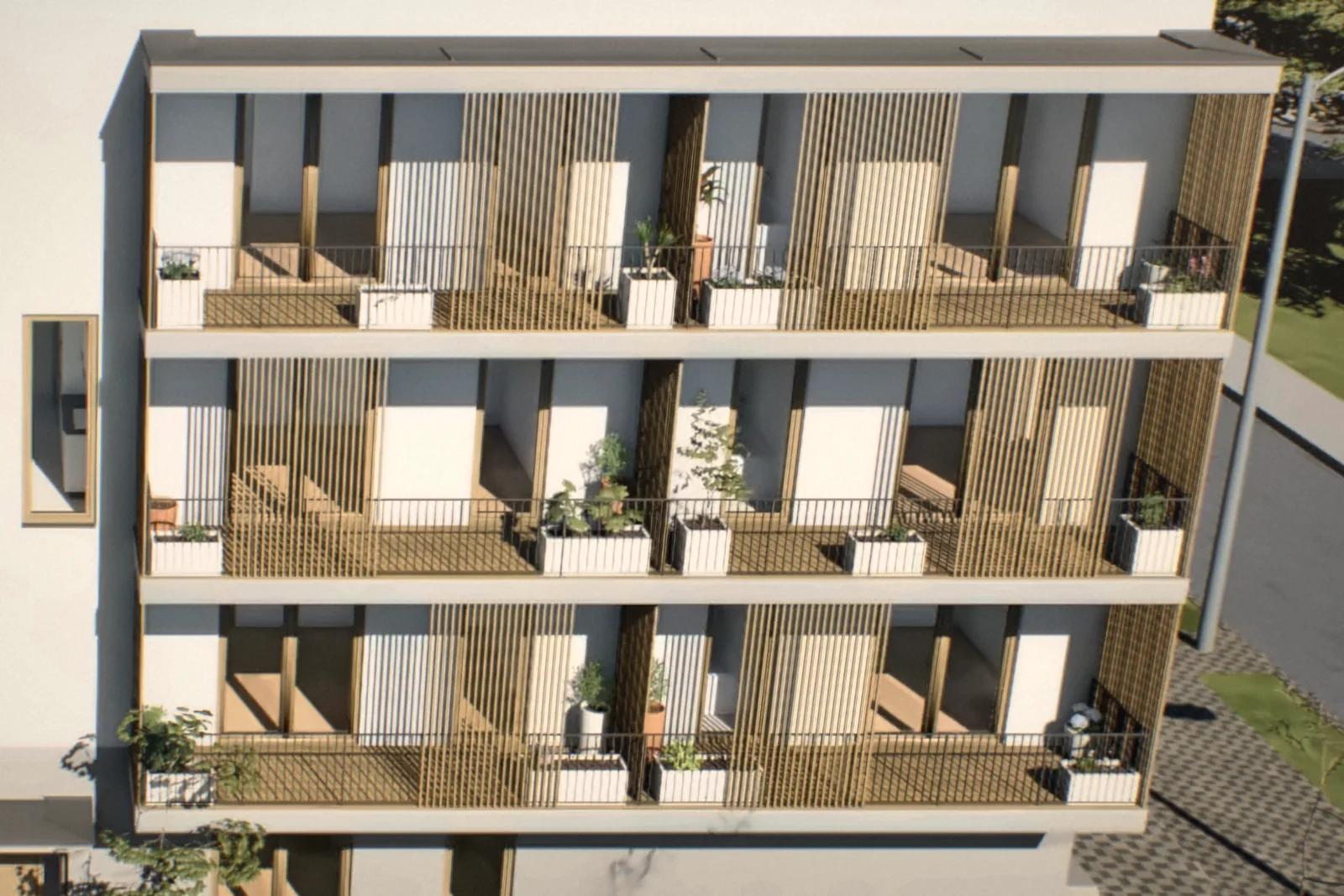
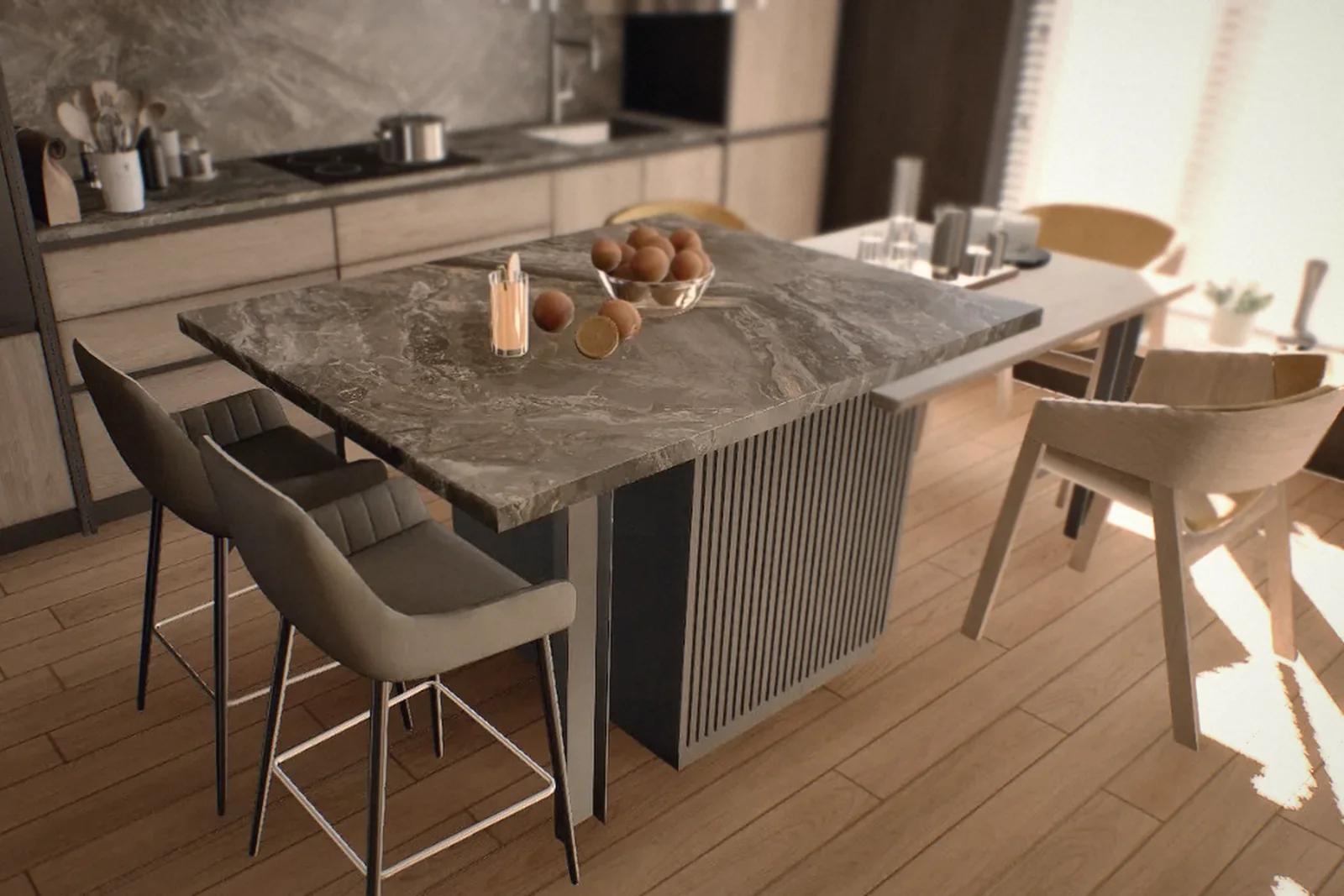
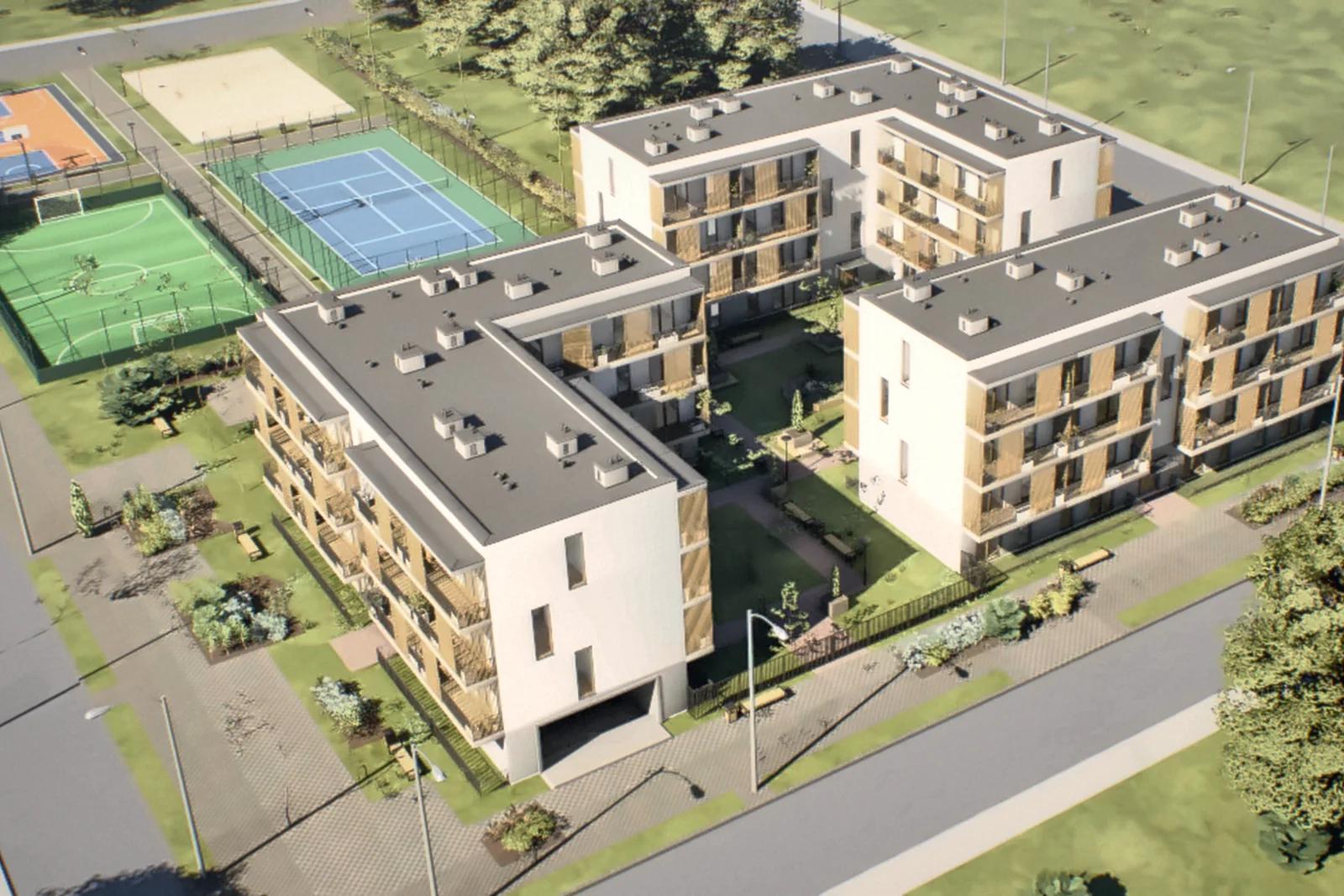
Next comes the apartment itself. Room sizes, kitchen layouts and the usefulness of a balcony matter differently to different households. Buyers also need to understand the surroundings: the distance to the airport, coast, schools and hospitals, and what the development provides on site.
Finally, they ask whether a visit is worth the expense. Flights, accommodation and time away from work are a significant commitment.
Selling homes to overseas buyers starts before the visit
The traditional process was slow: an advertisement, a brochure request, a few photos and videos, then a trip to view several projects. By the time the buyer arrived, weeks might have passed—and your development was still only one stop on the itinerary.
A more useful journey starts on the website. The buyer explores the exterior through linked video stops, then opens an apartment in the browser. During a video call, the adviser can guide them through the same apartment. The buyer shares the link with family at home.
By the time they travel to Türkiye, their shortlist can be much clearer. Some may be ready to reserve beforehand, subject to appropriate checks. The visit becomes a chance to verify details and progress the transaction rather than start the explanation from scratch.
Why photos and video are not always enough
A video follows the route you chose. A photograph shows the angle you selected. Buyers have their own questions: how wide is the corridor between the bedroom and bathroom? Can you see the living-room window from the kitchen? Would a table for four fit on the balcony?
An apartment they can navigate themselves helps answer spatial questions without a long exchange of messages. Dimensions and furniture layouts should remain faithful to the architectural design; a tour is a presentation tool, not a substitute for contractual specifications.
Texas Tech University research covering 143,575 US listings found that homes with 3D tours sold up to 31% faster in one market. That was the strongest market-specific result, not an average or a promise for Turkish developments. The research concerned existing homes, so it does not establish the effect on overseas off-plan purchases. It does, however, illustrate why making a home easier to inspect remotely is worth considering.
What should the remote experience include?
- A usable mobile version. Video-based exteriors and an optimised interactive interior can balance detail with loading speed. Test on ordinary phones, not just office computers.
- Relevant languages. English is a useful starting point. Depending on your market, Russian, Arabic, Persian or German may also be appropriate.
- A clear location map. Show the airport, coast, schools and hospitals with accurate distances and clearly stated travel-time assumptions.
- Project-specific visuals. Remote buyers rely heavily on the images. Keep layouts, materials and views aligned with the actual specification, and label illustrative elements.
- An adviser-led option. The buyer and adviser should be able to discuss the same apartment during a video call.
- Useful analytics. Understand which countries generate interest and which apartment types people explore, while respecting privacy and consent requirements. Use that evidence to inform advertising rather than assuming every visit signals buying intent.
A physical scale model is difficult to take to overseas offices and exhibitions. A headset and screen are much easier to transport. Our article on one Unreal Engine source model explains how the same design can support sales-office, exhibition and browser experiences.
Frequently asked questions
How many homes did foreign nationals buy in Türkiye in 2025?
According to TÜİK, foreign nationals bought 21,534 homes, down 9.4% year on year. İstanbul, Antalya and Mersin recorded the most sales; Russian, Iranian and Ukrainian citizens were the largest buyer groups.
Can an overseas buyer assess an apartment before travelling?
A project-specific 3D tour, an adviser-led video call and clear location information can help a buyer shortlist apartments remotely. They do not replace legal checks, technical due diligence or verification of contractual specifications.
Which languages should a development website offer?
Start with the languages your target buyers use. English is often useful, while Russian, Arabic, Persian or German may suit particular markets. Support the translated tour with advisers who can answer questions in the same language.