Why your property development website gets no appointments
The advertising budget grows and more visitors arrive, but appointment numbers stay flat. Often the problem is not the advert—it is the page buyers land on.
Brickless Team4 min readTürkçe oku
A property development website can attract more visitors without generating more appointments. Developers increase advertising spend, traffic rises and the phone stays quiet. Changing the advertising agency may seem like the obvious response, but the problem often sits on the landing page.
Three common mistakes
Australian agency Project Profile describes a trust gap in off-plan marketing: development websites are full of renders, logos and floor plans, but do too little to address a buyer’s uncertainty.
The first mistake is hiding useful information. Floor plans, site plans and material specifications sit behind a “submit your details” form. Buyers want to review them before talking to an adviser. If they cannot, many leave without saying why.
The second is talking only about the development. Phrases such as “luxury living” and “an exceptional location” do not explain what buyers gain or why the project fits their needs.
The third is an unhelpful automatic response. An email promising a reply in 24–48 hours loses momentum just when a visitor is most interested.
What should a property development website include?
A first screen that explains the offer
Within a few seconds, visitors should understand where the development is, what is available and what they can do next. “Three- and four-bedroom apartments in Kadıköy, completion in 2028—explore an apartment now” is more useful than an impressive film with no clear information. That is an example of wording, not a description of a current Brickless project.
A video-based exterior tour
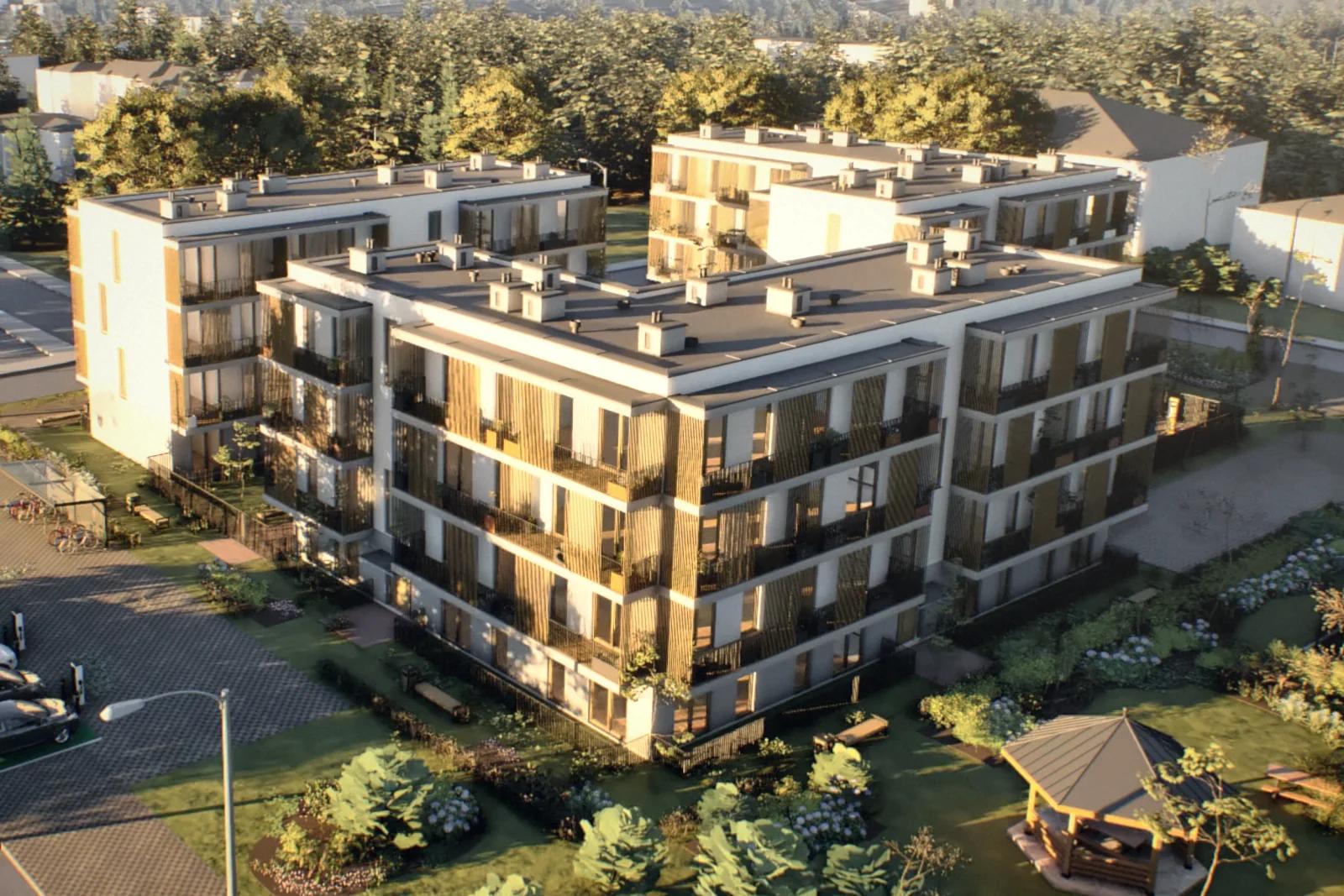
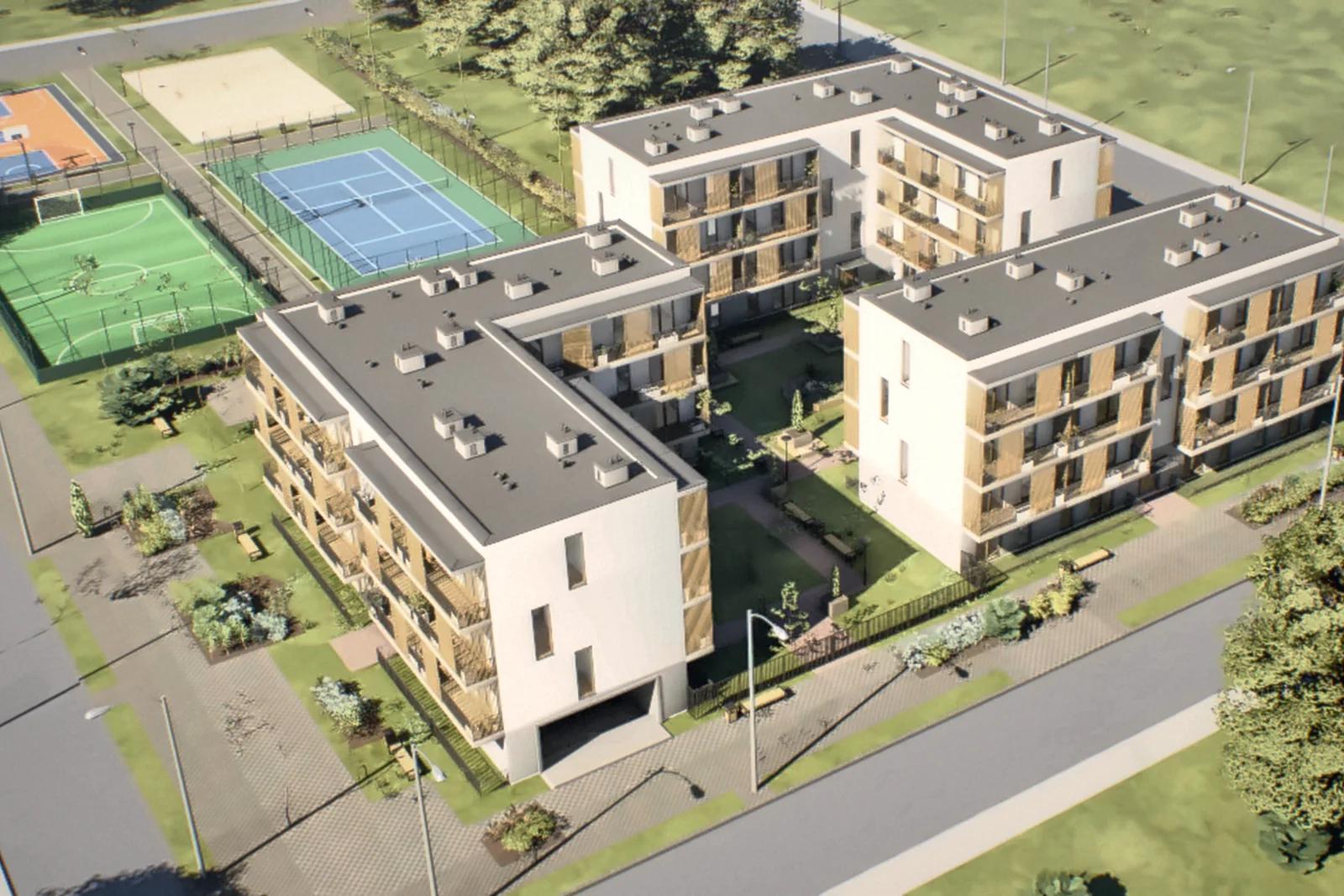
Loading an entire detailed exterior as interactive 3D can put unnecessary pressure on a phone. In our approach, linked video stops introduce the garden, pool and parking areas. Visitors choose where to go next without downloading the whole exterior scene.
An interactive apartment interior
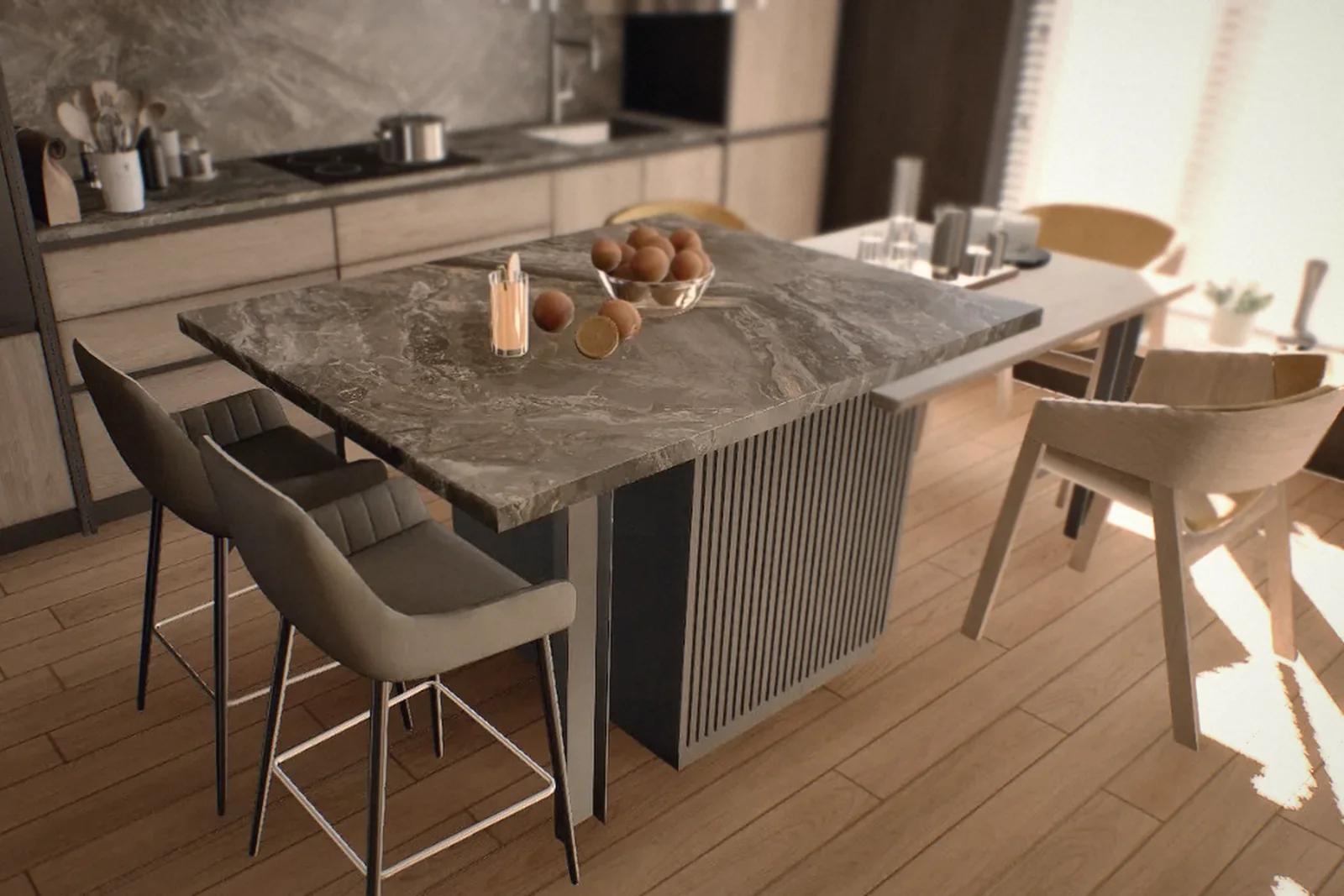
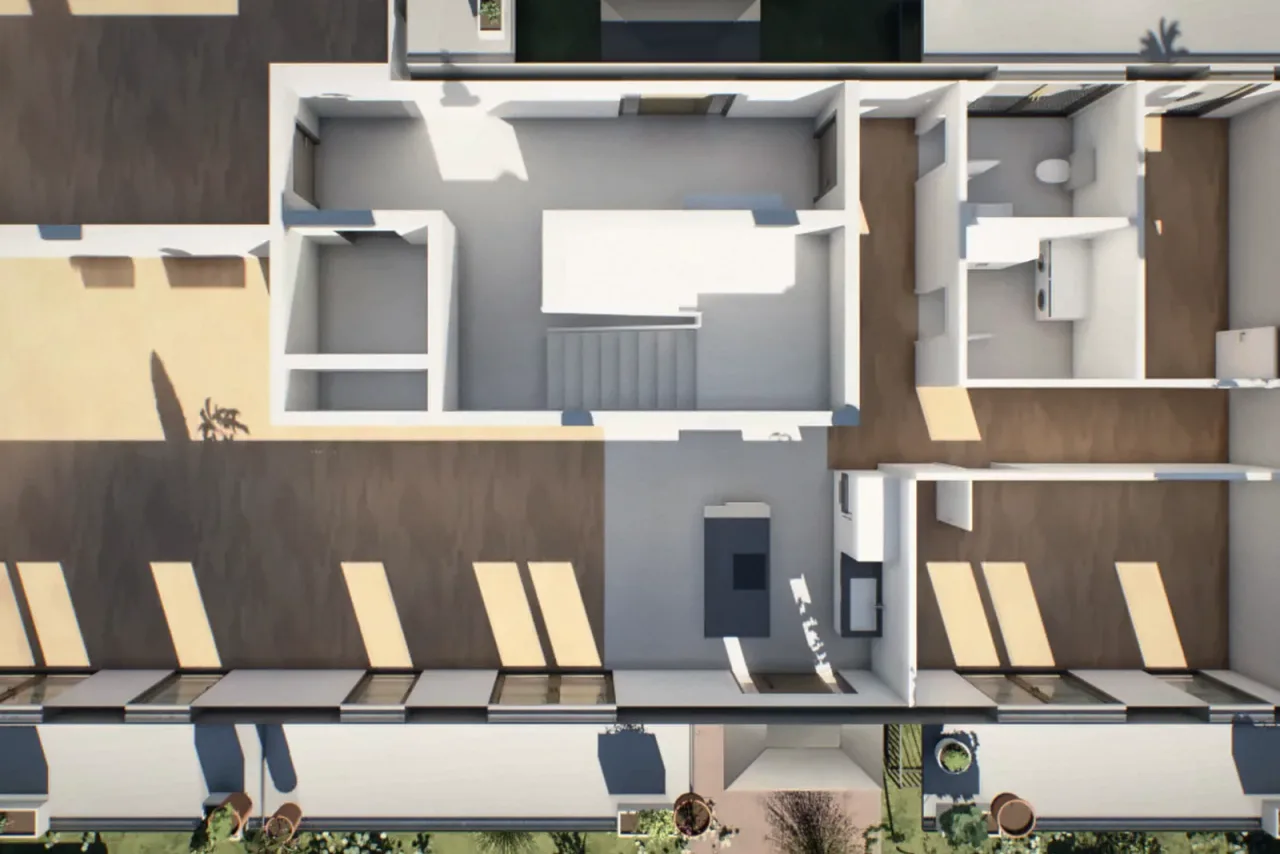
When someone wants to enter an apartment, a 3D scene opens in the browser. They can move through the rooms rather than follow a camera path chosen for them. No separate app is needed: a link takes the visitor from the advert to the home.
Open plans and clear availability
Buyers should be able to see layouts, floor areas and availability without filling out a form. Publishing exact prices may not suit every project, but a starting price or range can help visitors assess affordability and avoid unsuitable appointments.
A short, relevant appointment form
After exploring an apartment, the visitor should be able to request a meeting about that unit. A name, phone number and preferred time may be enough. Responding promptly—ideally within minutes during staffed hours—keeps the conversation connected to the visit.
Measure useful actions, not just traffic
A website’s value is not simply the number of people who arrive. Track the actions that help the sales team understand intent: opening the exterior tour, entering an apartment, time spent exploring, downloading a plan, opening and submitting the appointment form, and sharing the link.
Someone who spends ten minutes in a three-bedroom apartment may warrant a different follow-up from someone who leaves the homepage immediately. Use analytics and personal data in line with applicable privacy rules and consent requirements.
Speed matters on mobile
An excellent 3D scene has little value if visitors leave before it opens. The first screen should communicate the essentials without waiting for 3D. Load the heavier scene only when requested, and adjust visual quality to the device.
Search visibility also benefits from clear fundamentals: location-specific titles, useful pages for each apartment type, appropriate structured data and fast mobile pages. Searches such as “new apartments in Kadıköy” are more closely connected to a purchase need than vague lifestyle phrases.
For the wider sales process, see why off-plan sales slow down and how to help buyers decide.
Frequently asked questions
What should a property development website include?
A clear explanation of the offer, exterior and apartment tours, accessible floor plans and availability, a short appointment form and useful analytics. The essentials should load quickly on a phone.
Will a 3D apartment tour slow down the website?
It can if implemented poorly. Video-based exteriors, on-demand loading of apartment scenes and device-appropriate quality help keep the initial page fast.
Which website actions should a sales team measure?
Track tour openings, apartment exploration, plan downloads, form starts and submissions, and sharing. Collect and use that information in accordance with applicable privacy rules.