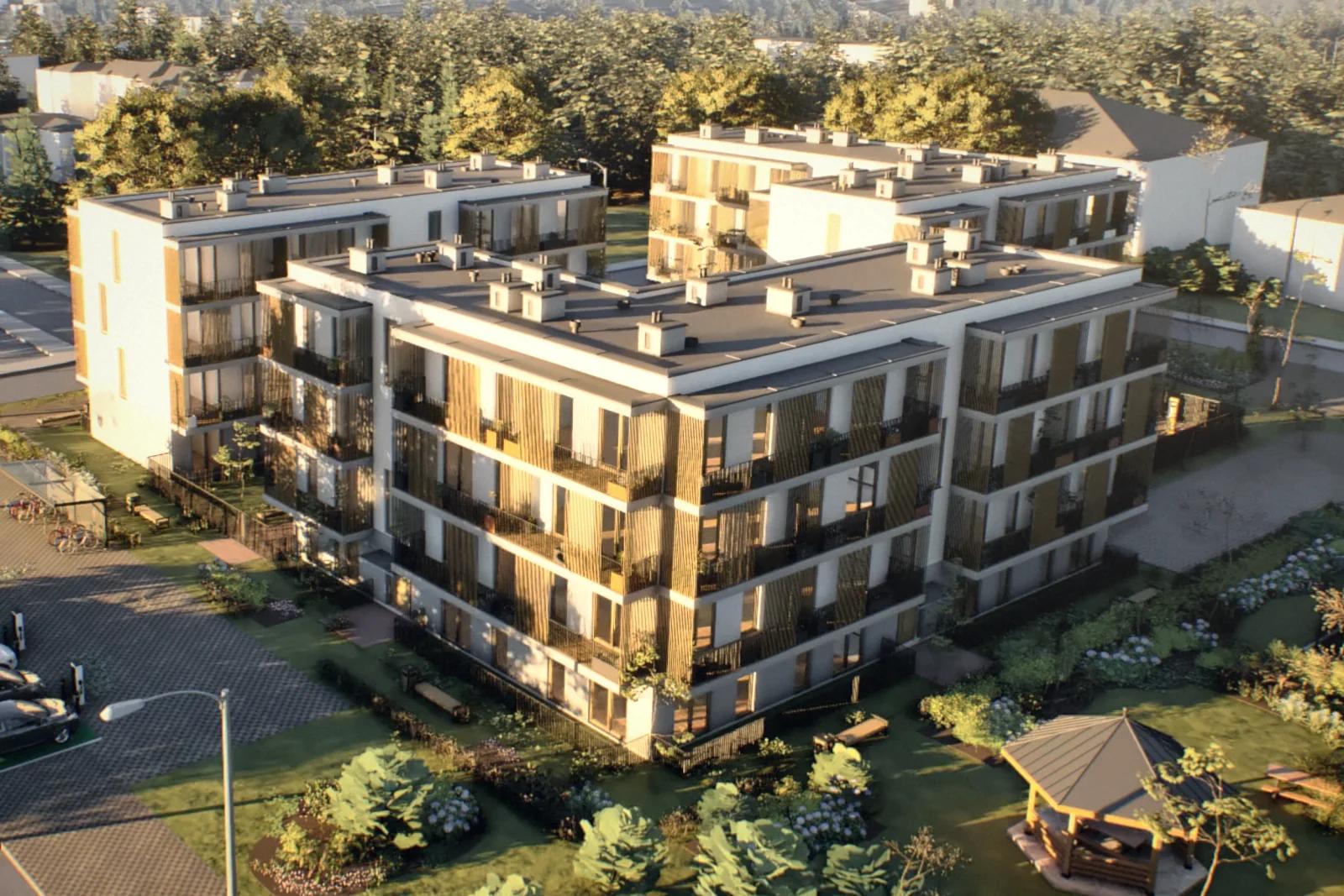
Physical or virtual show apartment: which does your project need?
A physical show apartment makes space and materials tangible, but takes time and usually shows just one layout. We compare where a virtual show apartment helps—and where it cannot replace the real thing.
Brickless Team5 min readTürkçe oku
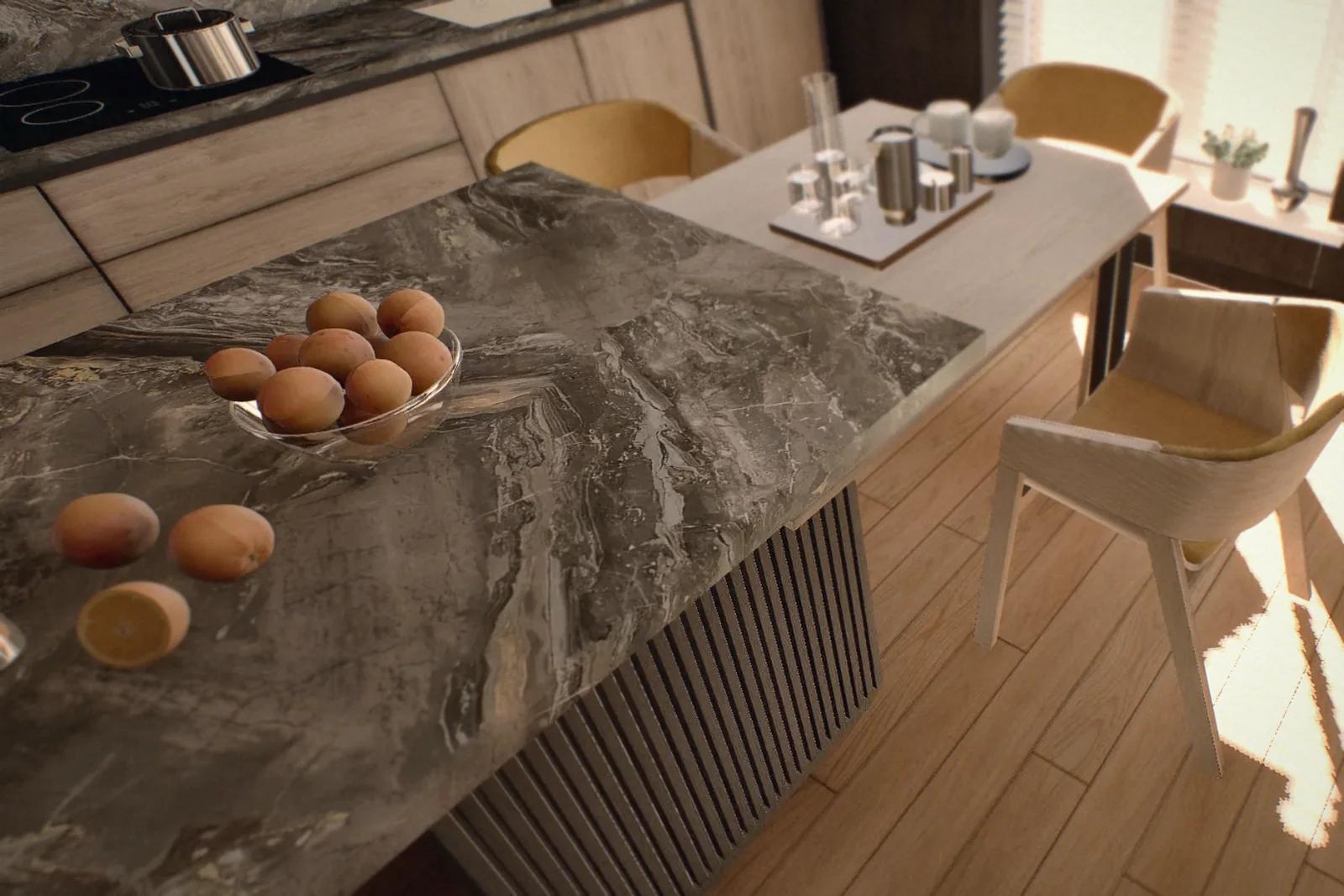
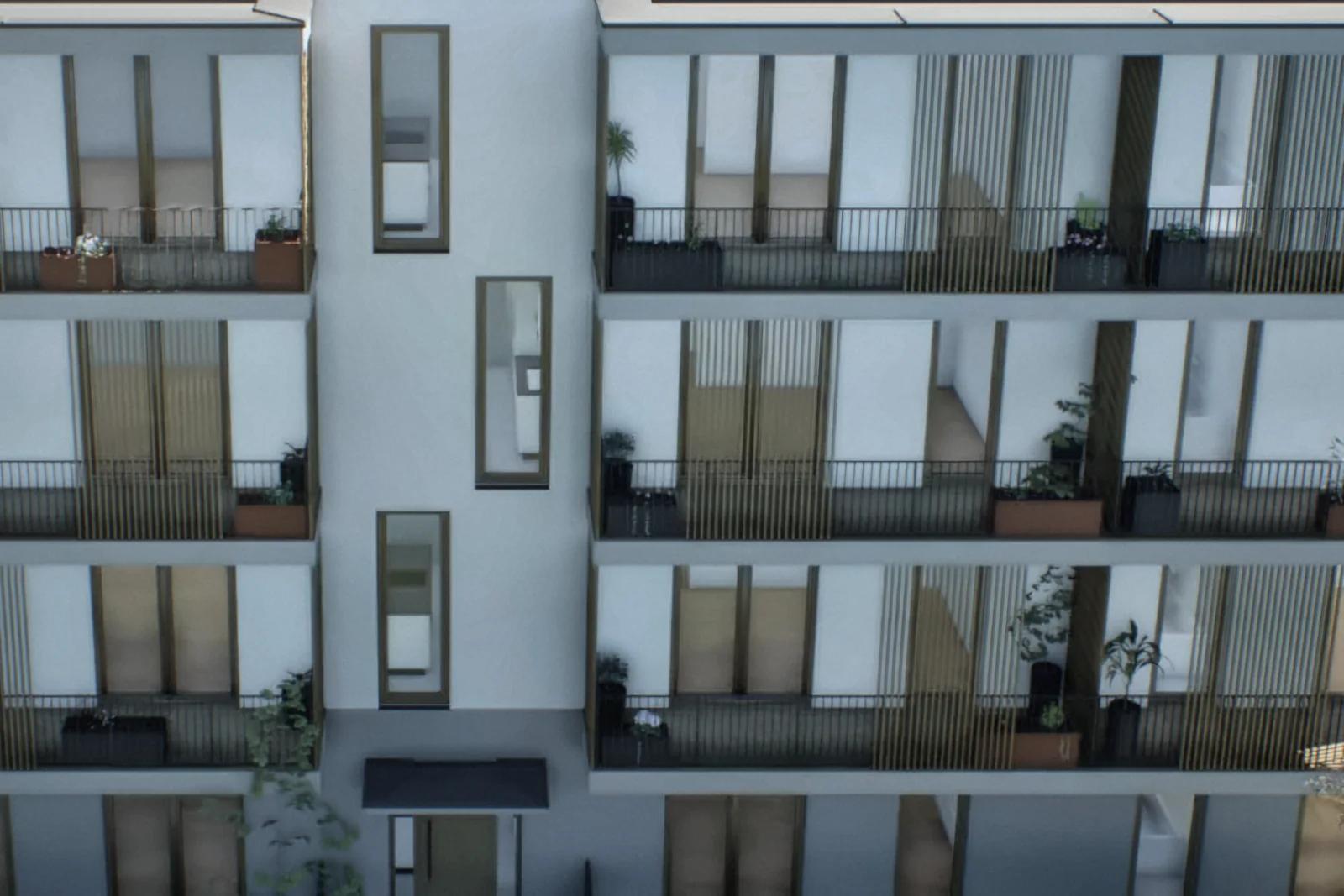
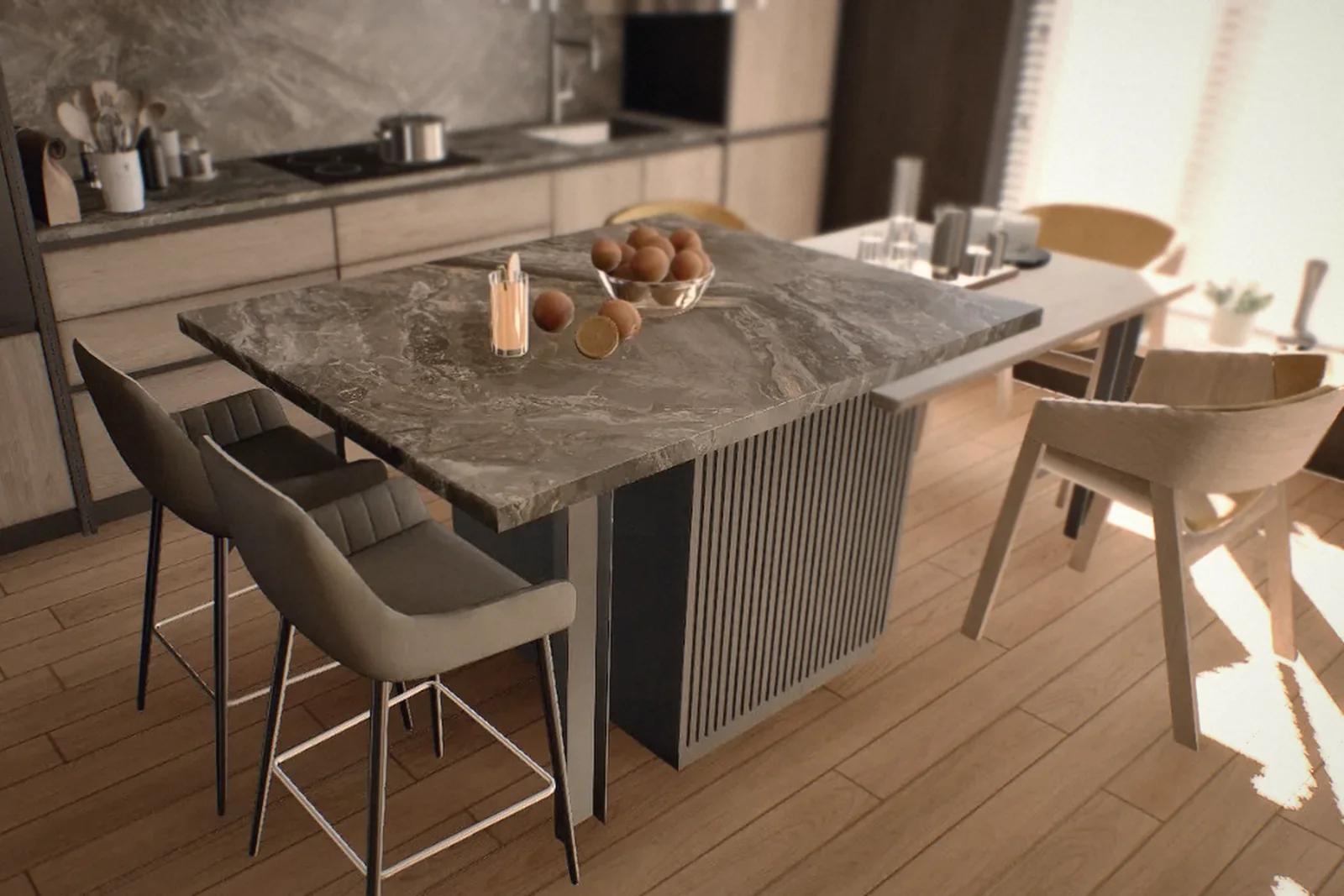
A virtual show apartment addresses three familiar limits of the physical version: it can be ready earlier, cover more layouts and avoid some of the costs of fitting out and operating a showroom. What it cannot do is let buyers touch a worktop or feel a door handle.
That distinction matters. Many buyers make their decision in a show apartment because they can judge the living room’s size, inspect finishes and look out of a real window. A floor plan alone cannot provide that experience. The useful question is not which format wins in every case, but which combination helps buyers understand your particular development.
What does a physical show apartment really cost?
Furniture and decoration are only the visible part. A developer must either wait until construction reaches the relevant apartment or build a separate showroom. Rent, electricity, cleaning, security and insurance continue throughout the sales period. The unit may be withheld from sale until the end, sometimes with a discount. Changes to plans or finishes may require alterations.
In an interview published by Builder, Focus 360’s Steve Ormonde argues that a well-produced virtual model home can cost less than a year of maintenance and operation for a physical one. That is a supplier’s assessment, not a universal cost benchmark. He also acknowledges that replacing a fully furnished home is not straightforward. We agree with that qualification.
Physical and virtual show apartment comparison
| Physical show apartment | Virtual show apartment | |
|---|---|---|
| When can it be ready? | Once construction has progressed or a separate showroom is built | Once the architectural design and specification are sufficiently settled |
| How many layouts can it show? | Usually one or two | Multiple layouts, floors and orientations, depending on scope |
| Views and daylight | Those of the particular unit | Different units and times of day can be demonstrated |
| Material choices | One installed combination | Options can be changed during a presentation |
| Where can buyers see it? | At the site or showroom | In the sales office, at exhibitions and in the browser |
| What happens after a revision? | Physical alterations may be needed | The source model and relevant outputs are updated |
| Touch, smell and sound | A direct physical experience | Not reproduced; material samples can fill part of the gap |
The value of starting earlier
For many developments, the main advantage is time rather than the presentation budget. A virtual apartment can support enquiries and meetings before a physical show apartment is ready.
Consider an illustrative 120-apartment project. Suppose launching three months earlier brings forward sales of 20 apartments at an average of TRY 6 million each, with 30% deposits. That puts TRY 36 million into the business three months sooner.
At an illustrative annual rate of 36%, a simple three-month calculation is:
TRY 36 million × 36% × 3/12 = TRY 3.24 million.
This is a simplified financing-value illustration, not a forecast of profit or a claim that a virtual tour will produce those sales. Actual value depends on payment timing, borrowing costs, taxes, project restrictions and whether the sales genuinely happen earlier. It is not investment or financing advice. The Turkish policy-rate source used in the original comparison is listed below; a policy rate is not the same as a developer’s borrowing rate.
Early sales can also influence later pricing decisions. A strong launch may support subsequent stages, while a slow start can increase pressure to offer incentives. Neither outcome is guaranteed by the choice of presentation tool.
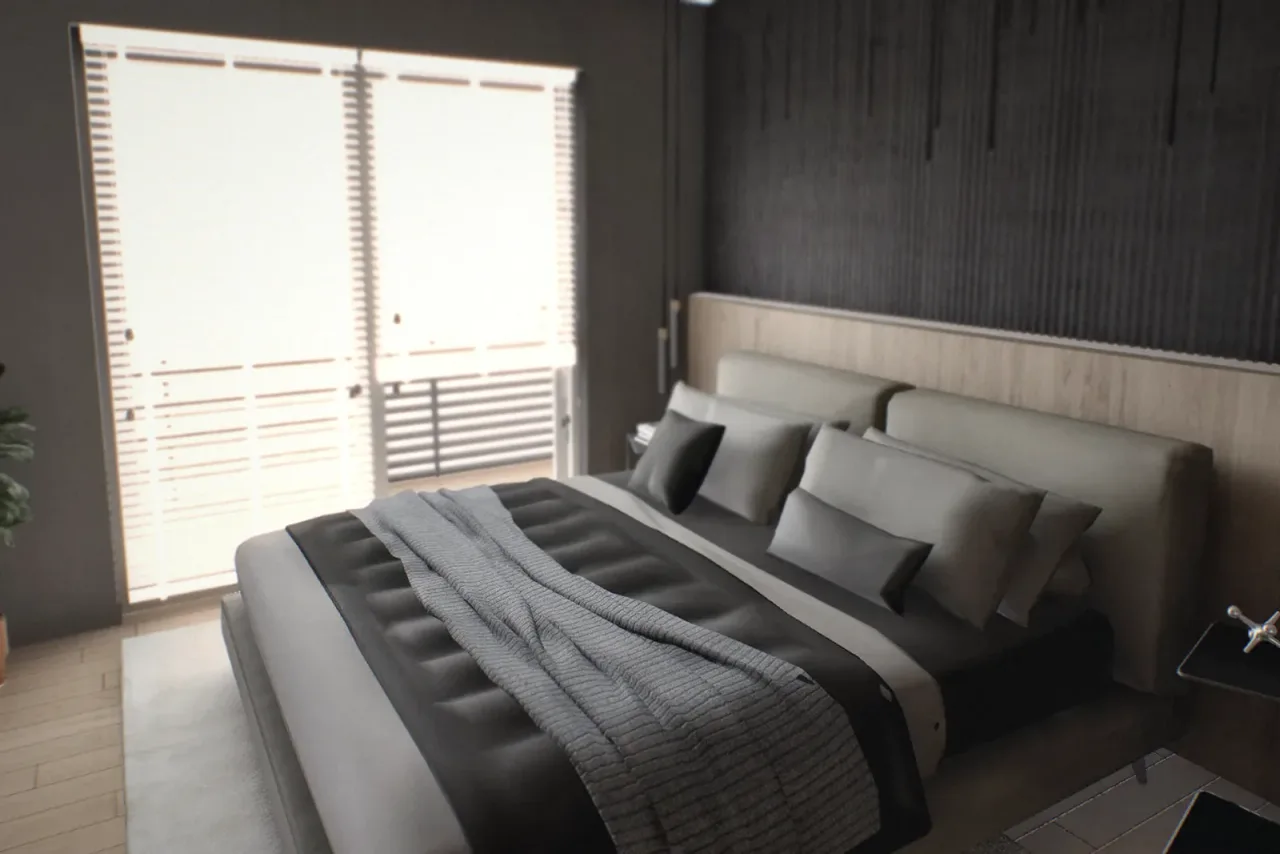
Longer meetings can mean fewer unanswered questions
Australian developer DevelopWise reports that, after adopting an Unreal Engine touchscreen and VR presentation, meetings planned for half an hour extended to an average of an hour and a half.
More time in a meeting is not automatically an improvement. The potential benefit is that a buyer can understand more in one visit instead of returning repeatedly to resolve basic questions. Track repeat visits, time to reservation and the quality of buyer understanding rather than treating meeting length as a success measure on its own.
Our recommendation: combine space with samples
For many projects, a practical arrangement is a small materials area alongside the digital presentation. Provide actual flooring, worktop, door and fitting samples. Let buyers touch what needs to be touched, then use the screen or VR to explore the full range of layouts and shared spaces. Keep availability current and send the selected apartment’s link after the meeting.
A virtual approach is especially useful before construction, where there are many unit types, or where buyers live in another city or country. For a high-end development that is already well advanced, a physical show apartment can remain valuable. The virtual version can complement it by showing other layouts, floors and views.
Our sales-office presentation guide explains how a screen, optional VR headset and adviser-led visit can work together.
Frequently asked questions
What is a virtual show apartment?
It is a correctly scaled 3D representation developed from an apartment’s architectural design. Buyers can explore it in a browser or use a VR headset for a life-size experience in a sales office.
Can a virtual show apartment replace a physical one?
For some projects it can cover much of the presentation need, particularly before construction or where there are many layouts. It cannot reproduce the tactile experience of finishes, so real material samples remain useful.
Does a virtual show apartment guarantee earlier sales?
No. It makes it possible to present the design before a physical unit is ready, but sales still depend on pricing, demand, trust, specifications and the wider buying process. Financial examples should be treated as illustrations, not forecasts.